Uses and Abuses of History Education
History education can establish a shared narrative, a common ground that supports dialogue, deliberation for the common good, pluralism, and the dynamics of a healthy democracy.
When or if we do teach history, we'll be doing a lot more good if we're giving students opportunities to practice historical thinking, to develop historical literacy.
It was indeed a frigid New Year's Day when Zohran Mamdani was sworn in as the new mayor of New York City – there were plenty of spectators, and they looked really cold, but that didn't stop them from cheering. The theme of Mamdani's remarks
In a state of uncertainty, there are difficult ethical decisions to be made. Cicero did not take the most ethically rigorous stance, but I think that makes him more interesting to think with, especially now.
In Part I of this post, which began as a review of the new book The Opposite of Cheating: Teaching for Integrity in the Age of AI, I summarized some strategies for designing away the conditions that lead some students to cheat. Just as drivers might bend the rules of
When I first saw the announcement that Tricia Bertram Gallant and David A Rettinger were putting out a new book called The Opposite of Cheating: Teaching for Integrity in the Age of AI, I immediately thought about reviewing it here. Based on the title alone, it addresses one of the
Oral exams have been proposed as a solution to AI-assisted plagiarism. Adding that interpersonal dimension of oral communication can result in more durable learning and a greater feeling of satisfaction, a perception of meaningful growth. That means that we as educators might enjoy them more too.
Discussion is an opportunity for students to practice communicating with each other and weighing judgments or proposed actions together, as they must if they are going to be citizens of a democracy. So discussion might be the single most important skill a student can learn in college.
Reading is hard. It requires greater focus and concentration and attention than looking at photos or memes. The dopamine hits that bombard TikTok users are hard to come by in books. What does BookTok have to teach us about motivating students to read?
There's something to be said for being the kind of educator that authoritarians want to ban, if you can afford the risk.
Aristotle described a broad education as one of the distinguishing characteristics of a free person but also of a free and independent mind, hence “liberal" education. Citizens in a democracy need education to free their mind.
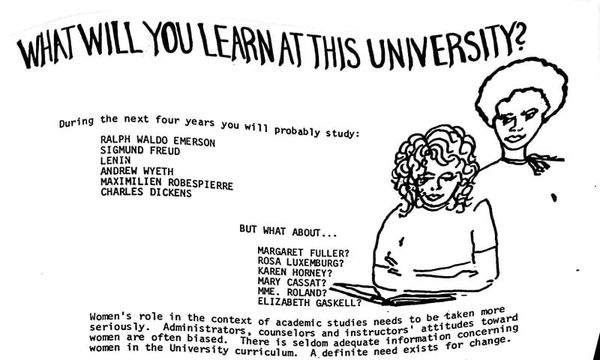
The core principles of feminist pedagogy are radically inclusive and democratic: An insistence that education be applicable to real struggles to liberate; An effort to make classroom spaces more egalitarian or democratic; and The validation of lived experience as a source of knowledge
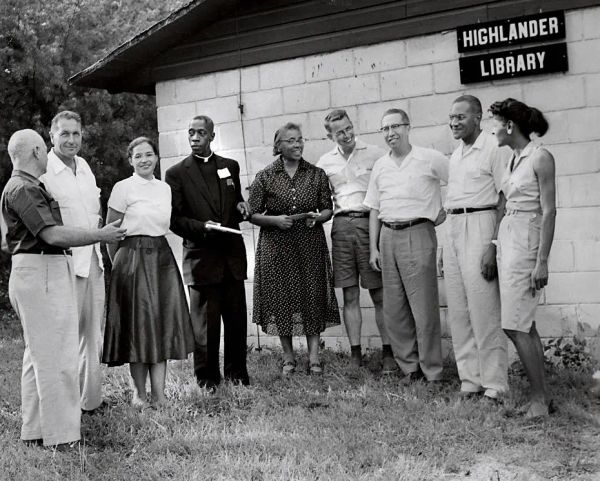
Highlander was all about empowering marginalized, oppressed people to realize how much they actually already knew, to find solidarity with others around them, and to use their knowledge to bring about social change together.
Reading a peer's work triggers many students to recognize improvements that they could make in their own. In fact, giving feedback might actually support more learning and growth than getting feedback.
course planning
To be helpful, feedback should focus on helping students to improve their work, not on evaluating them. And it should connect back to expectations that were clear from the start.
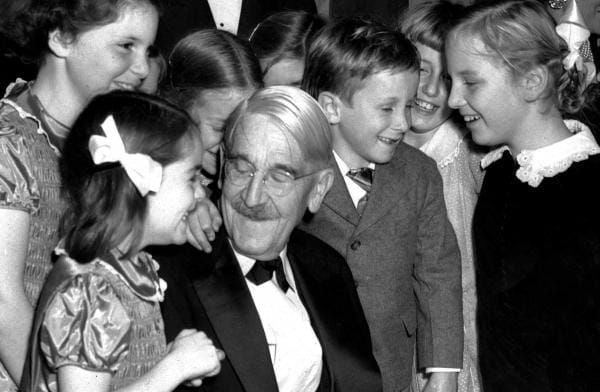
Dewey was not just concerned with adapting education to meet the moment of the Industrial Revolution, but in realizing the democratic ideals of the United States.
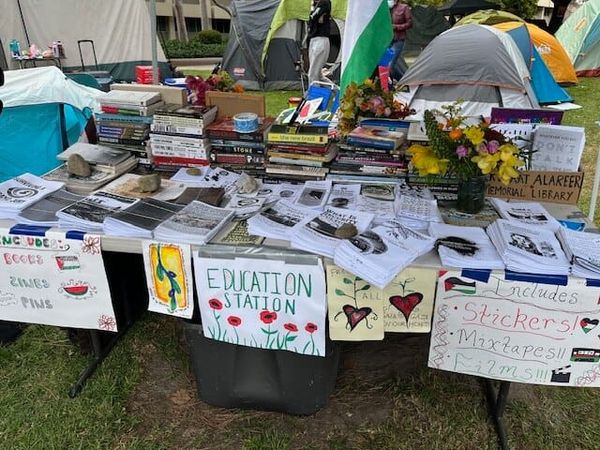
Despite being suspended and banned from campus or even denied their degrees in some cases, the students in those encampments got a better education than many of their classmates, in the ways that matter.
Formative assessment is dialogic in nature, a conversation where student and instructor communicate back and forth about beliefs, strategies, expectations, and judgments. Both the student and the instructor get feedback that will help them do better.
course planning
It's important for instructors to get to know the learners in the room, because the learners' prior knowledge and goals play a huge role in determining what they'll learn, and how much they'll learn, and how quickly. Everyone in the room will learn a lot more if the class becomes a community.
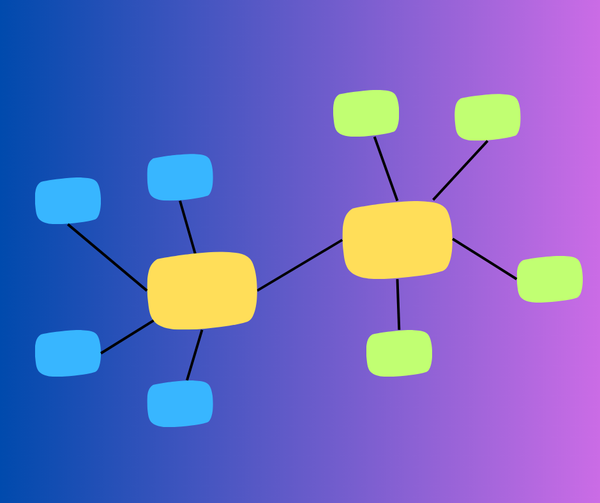
In my mind, there are three great ways to use mind maps in the classroom: 1) mastering a lot of new information in an intro class; 2) going beyond rote learning; or 3) planning an essay, paper, project, or complex assignment, especially in a group
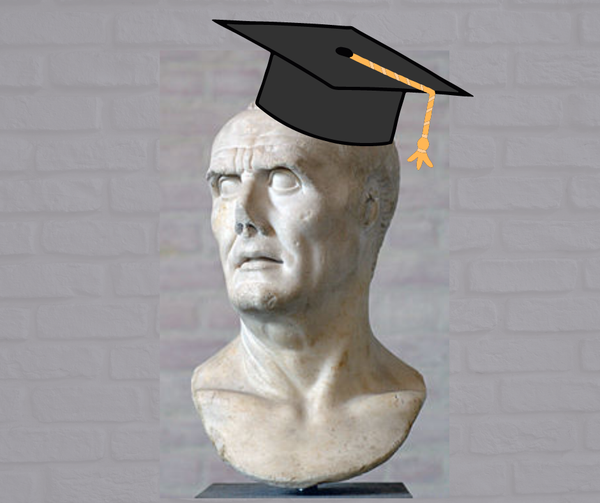
When I delved into scholarship on supporting first-gen college students, I thought about Marius and the Roman "new man" trope. They turned a potential deficit into an asset, and a core aspect of their identity.
course planning
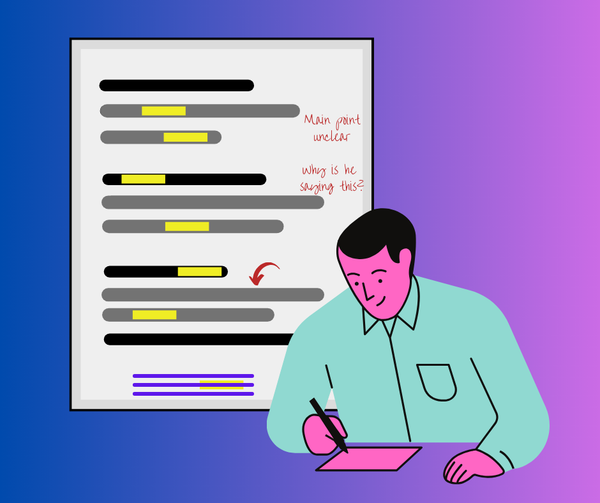
By teaching students to pick apart and become conscious of the structures and conventions of scholarly writing, we can help them to absorb those conventions and replicate them.
course planning
UDL can and should include using tech accessibility tools, but also goes much further. At the end of the day, UDL is about getting rid of artificial barriers so that everyone can get on with the business of learning.
graduate education
When I first heard the term "student-centered teaching," I recognized it as an apt description of what I had been doing instinctively. In general, it means shifting your focus from the content you're teaching to what your students are learning.